Blog

< Return

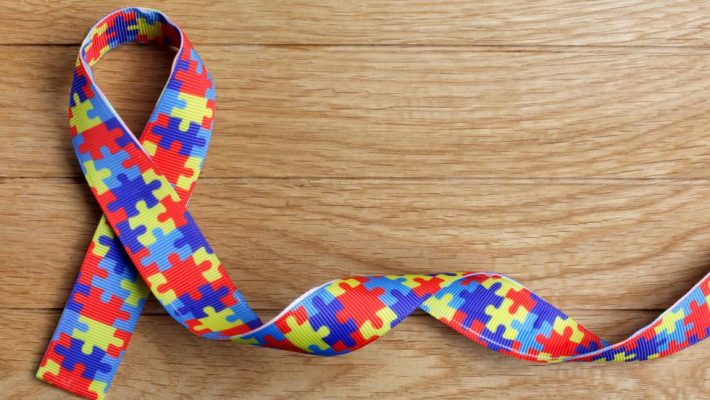
World Autism Awareness Day

On April 2, we celebrate “World Autism Awareness Day”.
According to WHO statistics, one in every 160 children worldwide has Autism Spectrum Disorder (ASD), although in low- or middle-income countries like ours, the prevalence has not been extensively studied.
Individuals with ASD experience a disorder that affects neurological development. It is typically detected before the age of 5 due to some degree of impairment in social behavior, language, and communication, as well as some level of repetition, restriction, or stereotypical behavior in their interests and activities. Cognitively, they can range from being brilliant to having low abilities, depending on the case.
Children with ASD may face isolation and exclusion. However, behavioral therapy and training for parents can enhance their adaptation possibilities, leading to greater well-being. Nevertheless, a higher level of exclusion may occur among children with ASD from lower socioeconomic backgrounds, whose parents cannot afford expensive treatments and therapies.
Society as a whole should promote inclusion by creating more accessible environments for individuals with ASD. They, like anyone else, have the right to receive a quality education that will enable them to work towards achieving an adequate level of autonomy and independence.
Perhaps this is why this year, the WHO has proposed the theme “I can learn, I can work” for April 2. Let us help create a more dignified and compassionate society, starting by accepting that everyone deserves to be respected in their differences.

Gloria Elena Gurmendi
Psychologist

Related notes

How to talk to our children about the coronavirus?

At this time it is inevitable not to keep the Coronavirus in mind, becoming part of our daily conversations. In this mandatory isolation our children also hear, see and talk about the topic and receive all this information in their own way. That is why the parents’ filter is essential to avoid negative feelings and […]

25 March, 2024
How to boost self-esteem in children

Self-esteem is the personal evaluation we make of ourselves, considering our own abilities, skills, achievements, and mistakes. Being a subjective opinion or judgment, it is greatly influenced by our emotions and mood, so it can range from positive self-esteem to negative. For better or for worse, self-esteem is an assessment that changes throughout life, depending […]

21 March, 2024
“How to teach our children and young people to be supportive?”

According to Montessori pedagogy, human beings go through different “sensitive periods or sensitive periods.” They are stages or moments of development in which we are predisposed and it becomes easier for us to learn a special skill, using our senses and our entire being to achieve it. In this way we have successively gone through […]

22 March, 2024